
The “Citizens of Tomorrow – Learning, Sharing, Acting” project, an Erasmus+ KA121 initiative, fostered intercultural dialogue between an Italian 2C class from IC Rovereto Nord and two first-grade classes from Skisport Mittelschule in Murau, Austria. The project aimed to improve English communication skills, promote responsible digital tool usage, strengthen peer cooperation, and cultivate an inclusive school environment. A key focus was also on developing active citizenship values, such as respect for rules, solidarity, and participation in the school community.

The project began with an in-person Erasmus+ mobility in October 2025, where two teachers from SSPG Negrelli accompanied 17 students to Skisport Mittelschule in Murau, Austria. During this trip, the “Citizens of Tomorrow – Learning, Sharing, Acting” project was collaboratively designed with the Austrian colleagues, sharing objectives, activities, and teaching methodologies.
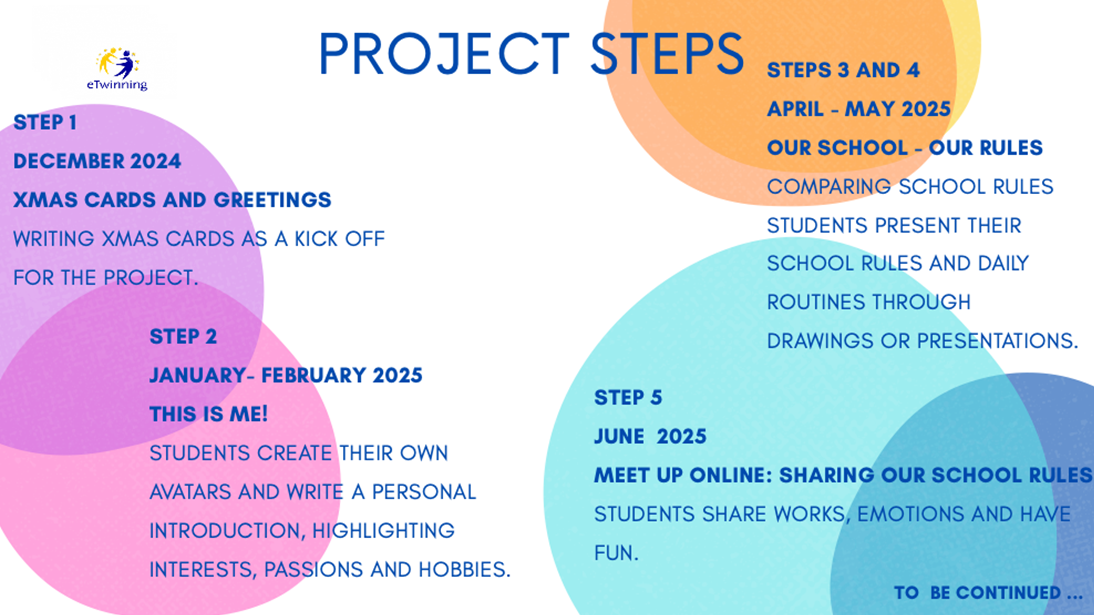
Project Phases:
-
Phase 1: Christmas Cards and Greetings (December 2025): Students exchanged personalized Christmas cards with messages in English and references to their traditions, aiming to discover different Christmas customs in Italy and Austria, encourage creativity, and strengthen project belonging. Cards were sent via mail.
-
Phase 2: This is Me (January-February 2025): Students created avatars representing themselves, describing their personalities, passions, and interests in English. This activity stimulated personal expression, enhanced linguistic, creative, and digital skills, and built connections among students, fostering inclusion within the growing international group.
-
Phase 3: Comparing School Rules (January-February 2025): This phase focused on presenting shared school rules based on respect, coexistence, and responsibility. Students analyzed and compared rules governing school life, classrooms, and common areas, strengthening their understanding of shared norms in a culturally diverse context.
-
Phase 4: Drawing Our School Rules (April-May 2025): Students, in small groups, created posters with drawings and texts to visually represent the shared rules from the previous phase. They reflected on differences between the schools’ rules, promoting creativity, cooperation, and a deep understanding of rules for civil coexistence. Final products were presented in class, forming a shared visual collection of common rules.
-
Phase 5: MEET UP ONLINE! Sharing Our School Rules (June 2025): The concluding phase involved a virtual meeting on Google Meet where students presented and discussed their illustrated school rules with their Austrian peers. This direct comparison highlighted similarities and differences, fostering reflection on respecting shared rules and developing English communication skills, inter-school cooperation, and awareness of shared, responsible behavior.
The project emphasized active and autonomous student participation, promoting a teaching approach focused on creativity, individual responsibility, and freedom of expression. Activities were not rigidly structured by the teacher, allowing students to propose ideas and original solutions. Students worked individually and collaboratively in small groups, often using classroom tablets for research, content creation, and multimedia presentations. To ensure inclusion, especially for students with greater difficulties, varied roles were assigned within groups based on individual aptitudes and skills. Talents such as artistic abilities, creativity, digital skills, and content editing were valued, fostering active and motivating participation for all. This approach developed essential transversal competencies like cooperation, constructive discussion, shared decision-making, and completing common projects, allowing students to experience the effectiveness of teamwork in an intercultural dialogue context oriented towards European citizenship values.
The project provided students with significant opportunities to use English in authentic and motivating contexts through communicative activities and multimedia production. Students explored various digital applications, developing integrated linguistic and technological skills. A highlight was the final online meeting, where SSPG Negrelli students interacted in real-time with their Austrian peers, experiencing genuine intercultural exchange and strengthening their sense of belonging to a European community. The project produced concrete results: materials and individual/collaborative works were published on the TwinSpace platform, documenting the journey. Experiences were also shared on the Institute’s website, disseminating good practices within the school community. A Google Site, published on the 2C class Classroom platform, collects all activities and final products, serving as a memory of the journey, a sharing tool for families, and documentation for the school curriculum and student portfolios.
https://sites.google.com/sms-murau.at/citizensoftomorrow/our-project



0