
The project was aimed at spreading computational thinking among students and teachers.
Students have shared coding challenges, activities related to the Code.org and other European projects such as Safer Internet Day.
Aims
Students have:
-
Learnt curricular and sub-curricular skills (technology, citizenship, art, English, mother tongue, history etc.).
-
Learnt how to carry out researches and interviews
-
Learnt to share, help and cooperate with their school mates and with students of other schools, appreciating different ideas and methods of working
-
Enhanced ICT skills by using the Twinspace apps and creating presentations in different formats
-
Used the Internet as a safe source of information and means of communication
-
Contributed in modernizing learning processes in their schools.
Work process
The Scratch programming environment has been widely used, to stimulate pupils to animate characters, to create presentations or educational videos with animations on any subject of any discipline, to design simple apps or the functioning of small robots (Arduino platform), etc.
The pupils have collaborated in a first step at a national level and then at an international level, when the topic will be presented in a global way (challenges).
Mod 1: October-November:
-
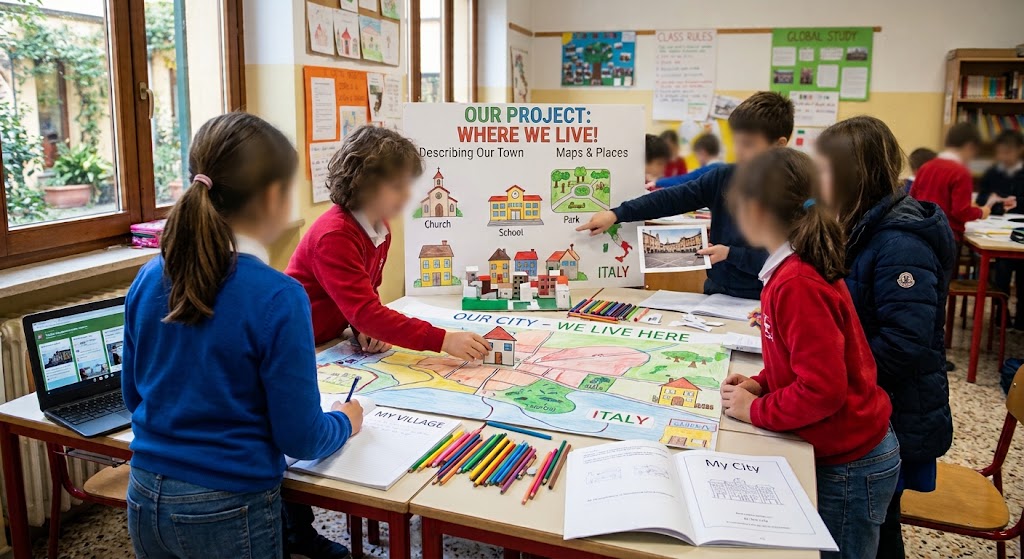
Presentation of schools and students (collective Twinboard and other interactive presentations)
-
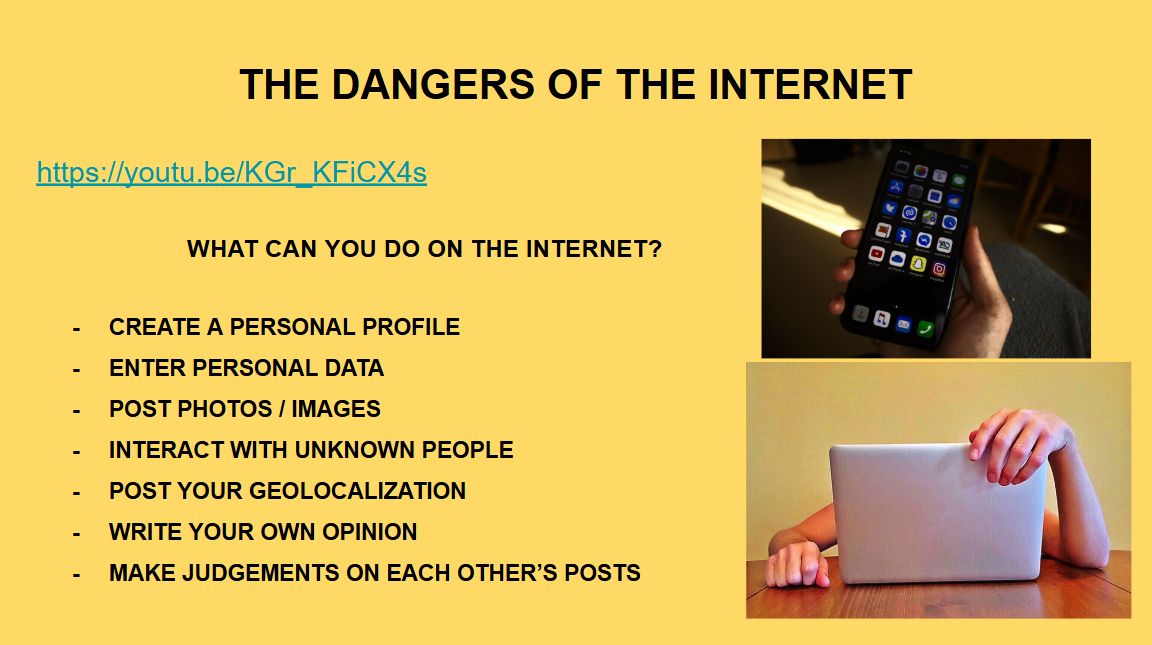
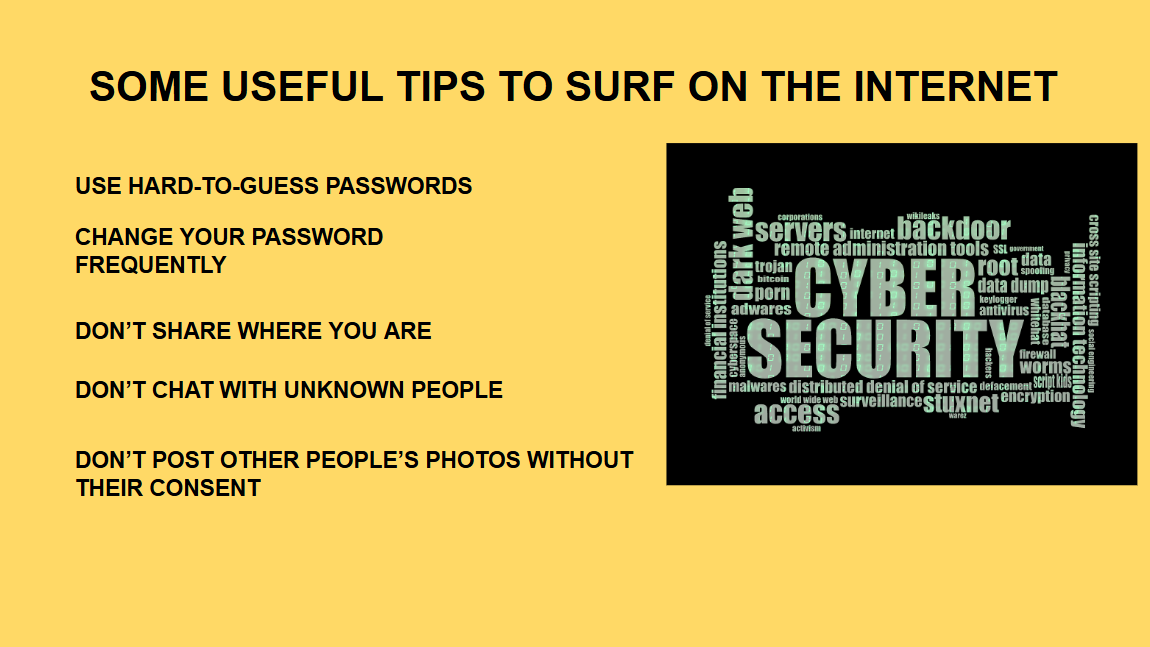
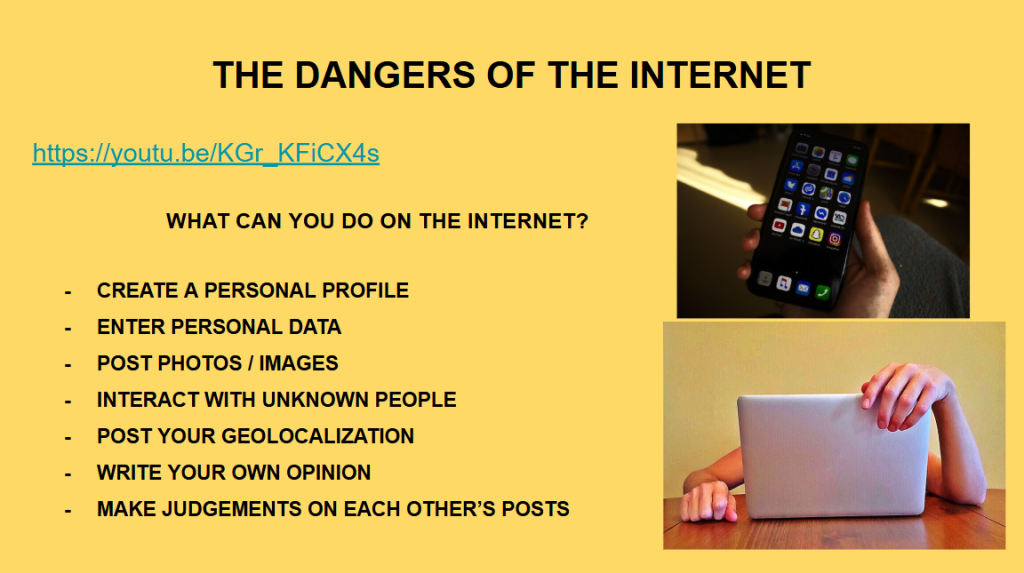
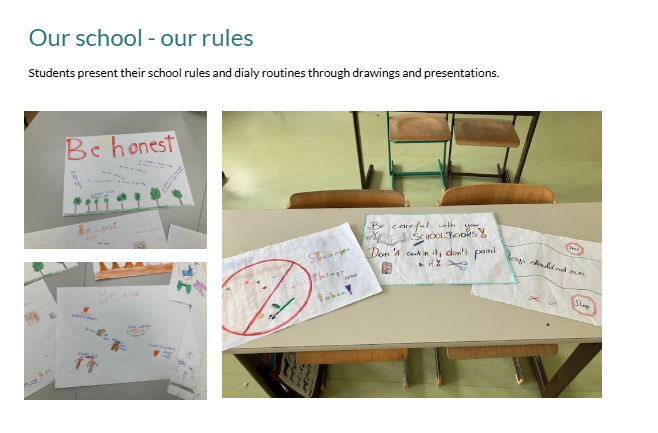
safety and netiquette overview.
Mod. 2: December:
-
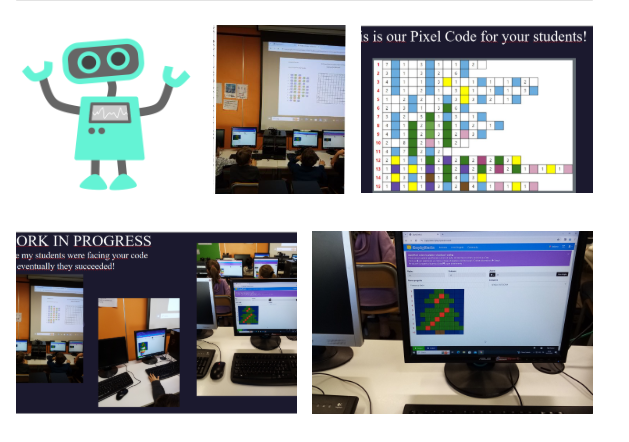
the Hour of Code overview
-
Christmas wishes in cod (pixel art, presentations with Scratch, etc).
Mod. 3: January:
-
educational robotics: programming a simple robot.
Mod. 4: February:
-
Netiquette and Safer Internet Day.
Modulo 5: March:
-
STEAM Women’s Day (pink technology).
Mod. 6: April:
-
STEM discipline month.
Mod. 7: May:
-
Scratch week, evaluation and dissimination activities.
FINAL PRODUCT: E-BOOK/storytelling with the results achieved by the students.


0