
Code & Play: Robotics for Kids is an exciting eTwinning project of educational and cultural exchange, created to ignite digital skills and promote active citizenship right from primary school.
Through laboratory-based teaching and engaging hands-on activities, students were guided to discover programming and educational robotics. The children explored a rich ecosystem of digital tools — including LEGO Spike Essential, Scratch Jr., Bluebot, mTiny, Quizizz, and Book Creator — and tried their hand at pixel art with Zaplycode. Throughout the journey, transnational collaboration was the driving force of the project, thanks to constant creative challenges and interactive online meetings.
The International Partnership
The project involved the collaboration of a close-knit network of European schools:
-
Athens, Greece: 6th Primary School of Nea Ionia
-
Patras, Greece: 26th Primary School
-
Chelm, Poland
-
Lège-Cap-Ferret, France
-
Contesti, Romania: Secondary School
-
Rovereto, Italy: “I. C. Gandhi” Primary School.
The Pedagogical Framework: Adventures in “Code Valley”
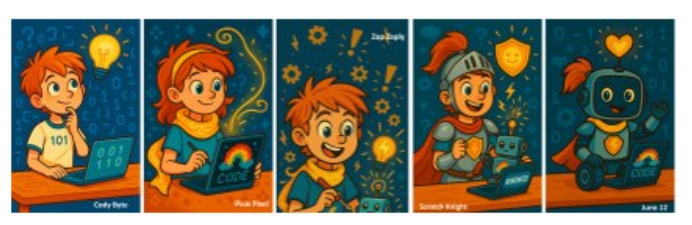
To make learning even more immersive, the activities were brought to life by the background setting of Code Valley, a collaborative space where students solved problems and shared their creations alongside five unique heroes:
-
Cody Byte: curious, intelligent, and always ready to lead the group.
-
Pixie Pixel: the artist of the team, who loves to express herself and draw through lines of code.
-
Zap Zaply: the inventor of the group, characterized by quick thinking and great talkativeness.
-
Scratch Knight: a brave and loyal knight, who programs according to the values of honor.
-
Juno J2: a sweet apprentice robot on wheels, with a big heart.
Project Modules and Main Activities
1. Breaking the Ice: “Getting to know each other through interviews”
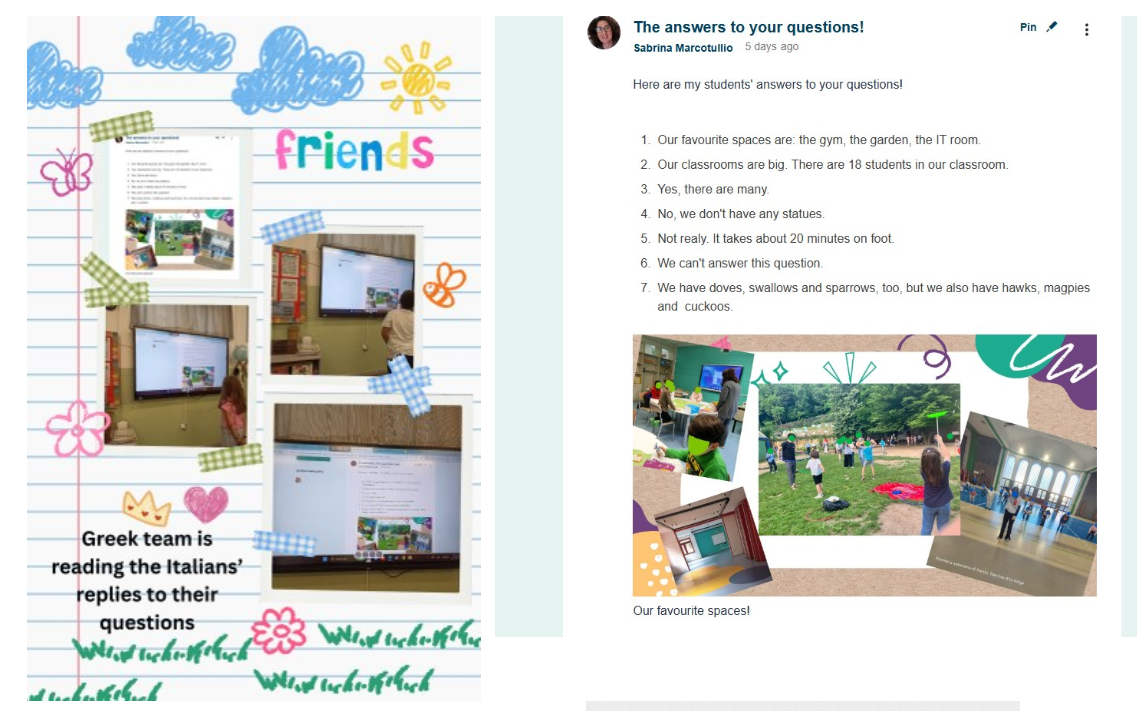
The journey began with a socialization phase. By answering questions from partners in Athens and Poland, the students shared details about themselves (languages studied, sports practiced, favorite dishes), breaking down linguistic and cultural barriers.
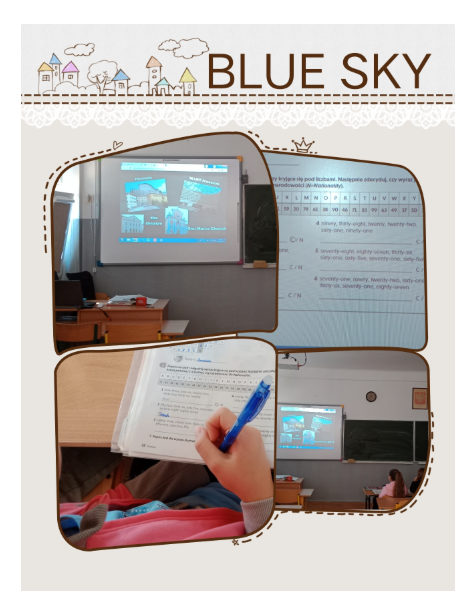
The partner schools:
- 26th PRIMARY SCHOOL OF PATRAS, GREECE ;https://vimeo.com/1121673641?fl=pl&fe=sh
- POLAND: CHELM ; https://gamma.app/docs/Chem-A-Journey-Through-History-and-Landscape-whe2apefvmvi4l6
- FRANCE: LEGE CAP FERRET
- SECONDARY SCHOOL CONTESTI, ROMANI.
2. Module 1: “Hello World! Getting to Know Each Other, Sharing, and Staying Safe”
The schools worked in a “relay” format, passing the baton to complete tasks:
-
Safety and Cryptography: Students collaborated to define online safety rules and to decrypt hidden codes at the beginning of each module.
-
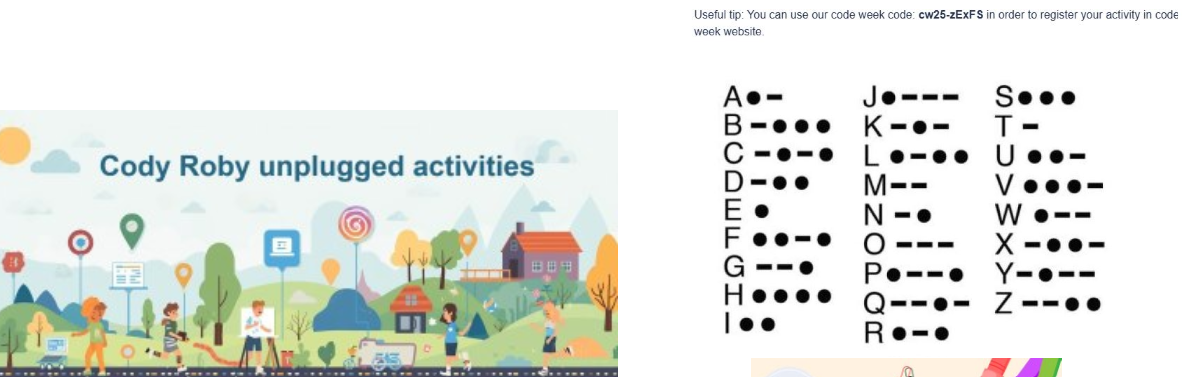
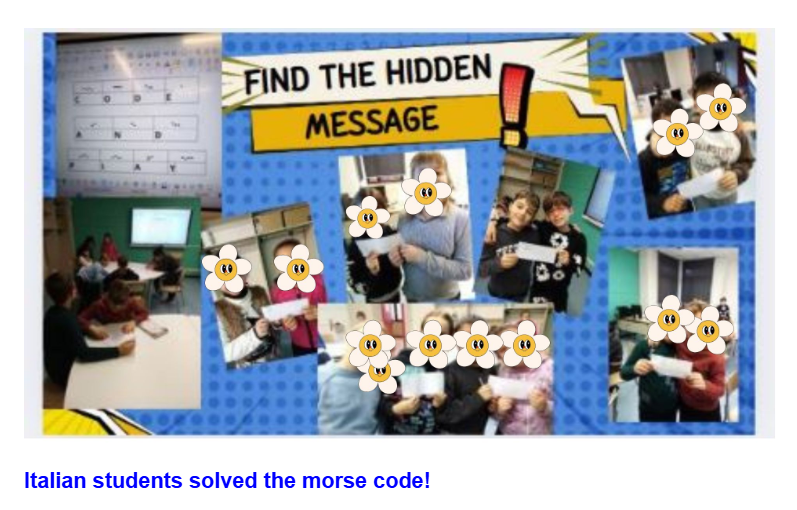
Unplugged Coding & Remix: Before touching digital devices, the children experienced computational thinking “offline” using Morse code.
-
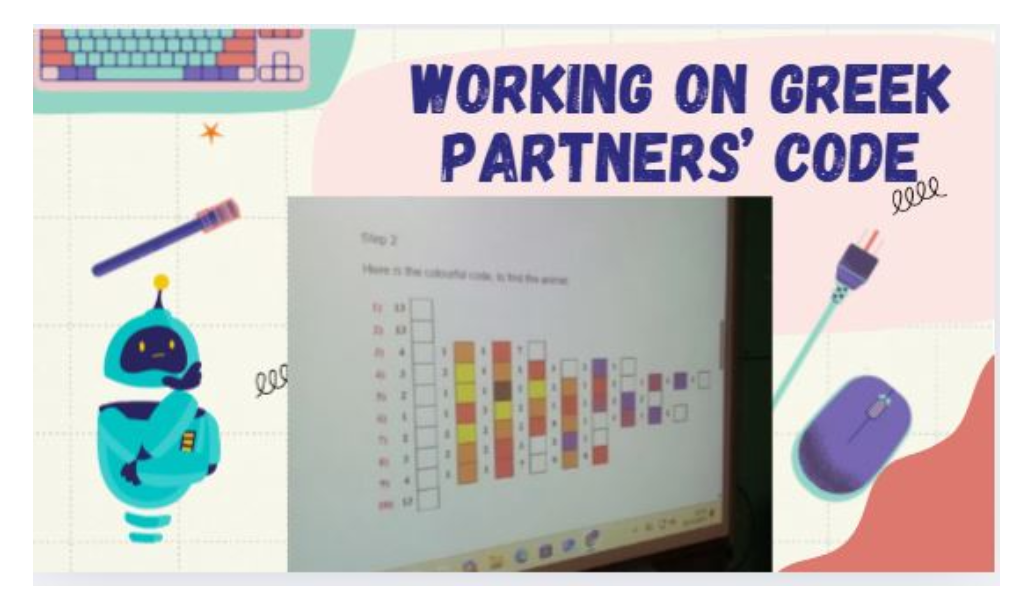
Later, they moved on to Scratch, experimenting with the concept of a remix: one school would start the code, and the partner school would enrich it with new animations and ideas.
-
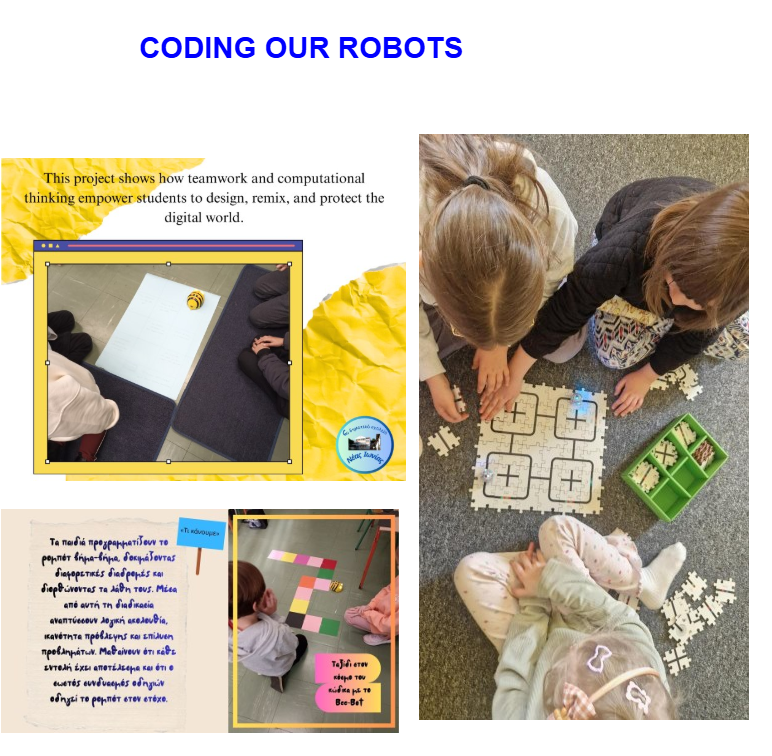
Ecological Missions: Students programmed robots to solve challenges related to sustainability, such as designing a school garden or managing recycling.
3. Netiquette and Cybersecurity
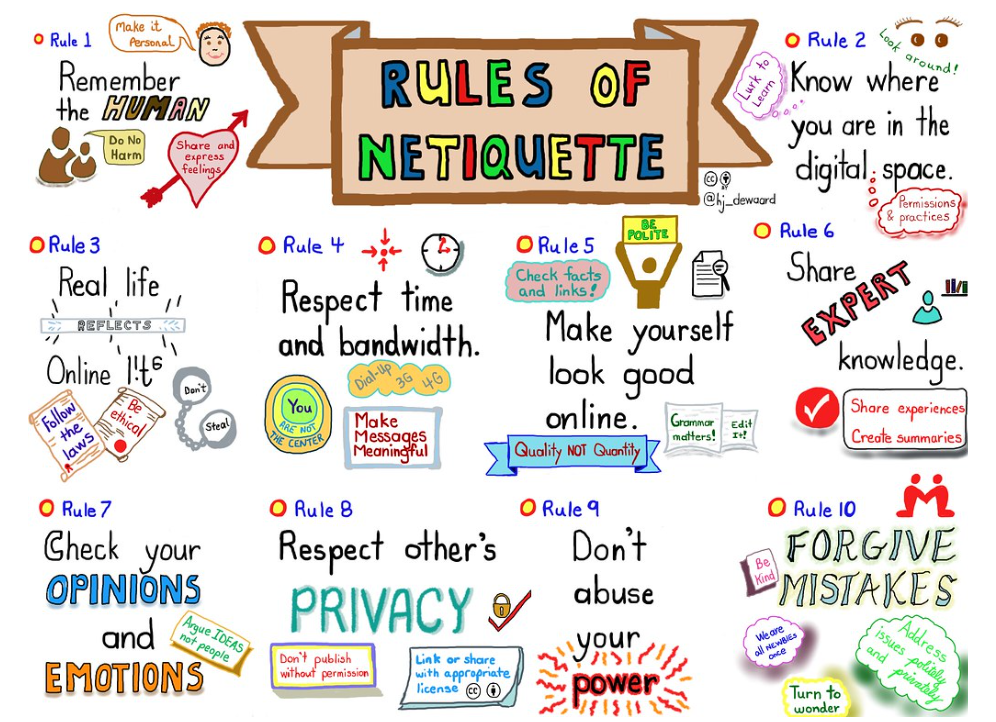
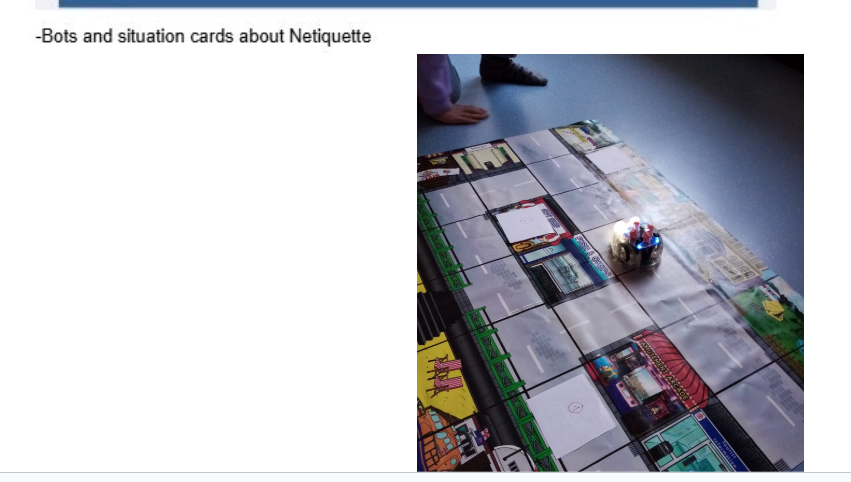
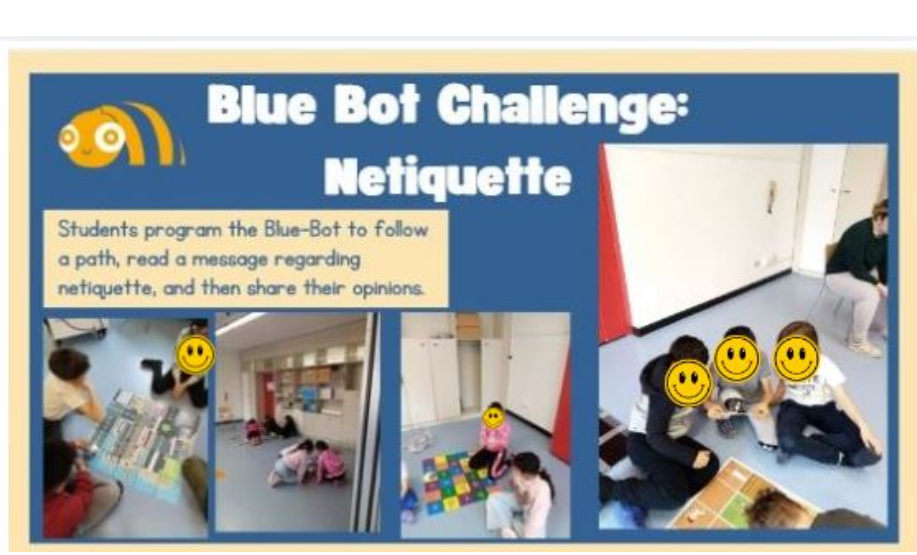
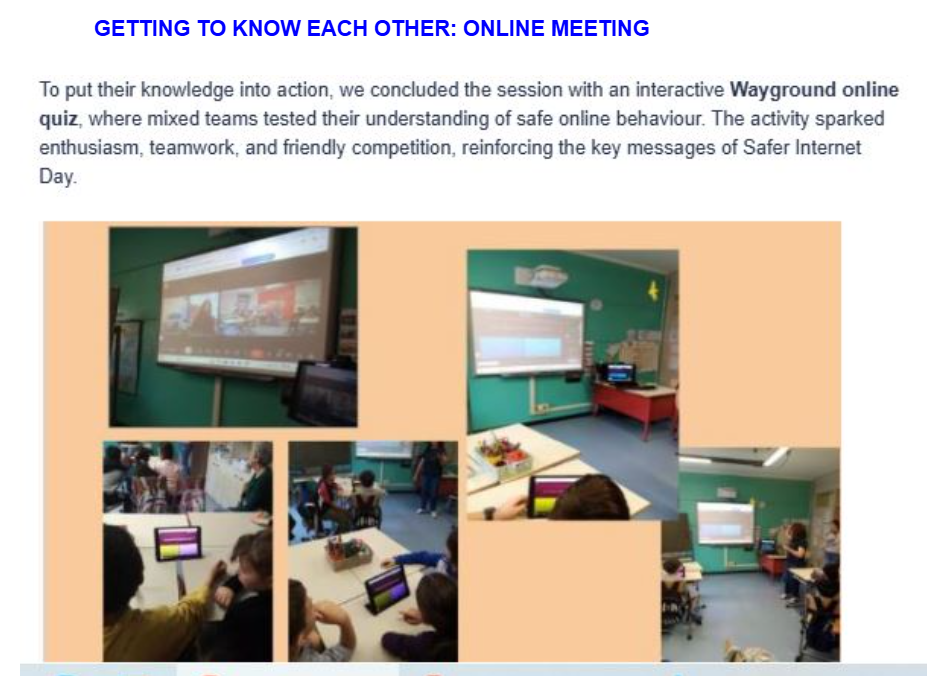
On the occasion of Safer Internet Month (February), the children explored the rules of good behavior online. The activity combined theory with practice, using Bluebot robots paired with special “situation cards” on the theme of Netiquette.
4. Collaborative Challenges
The beating heart of the project was the exchange of challenges between different countries:
-
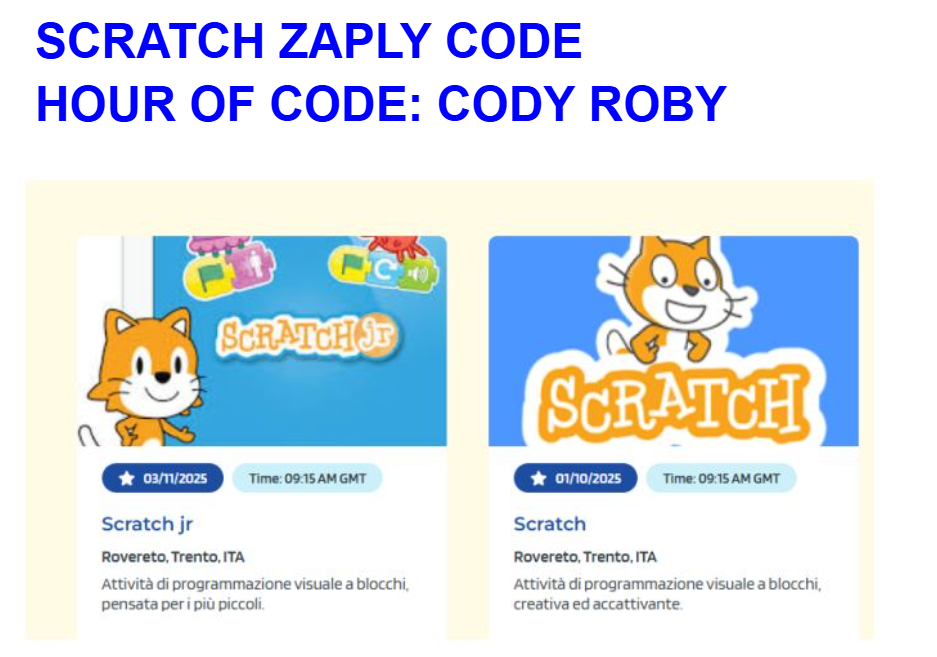
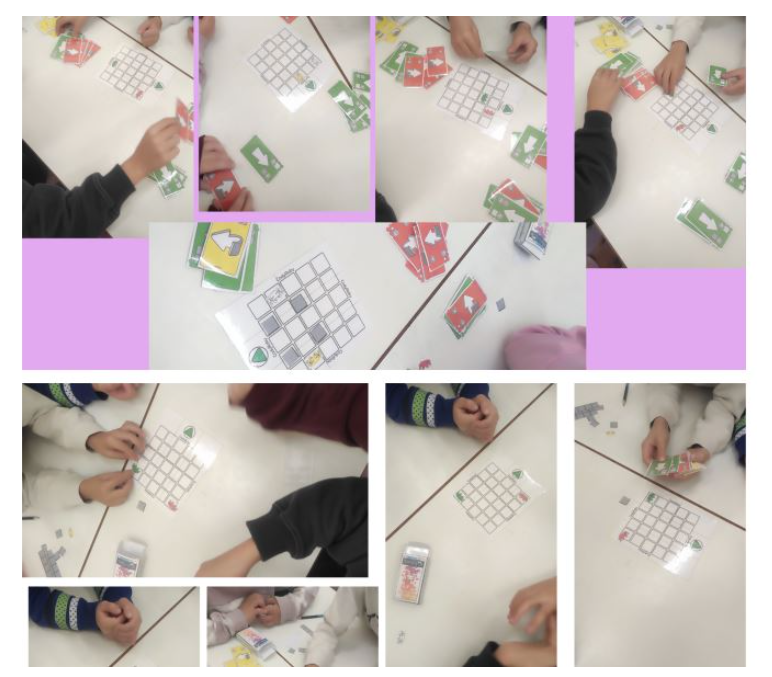
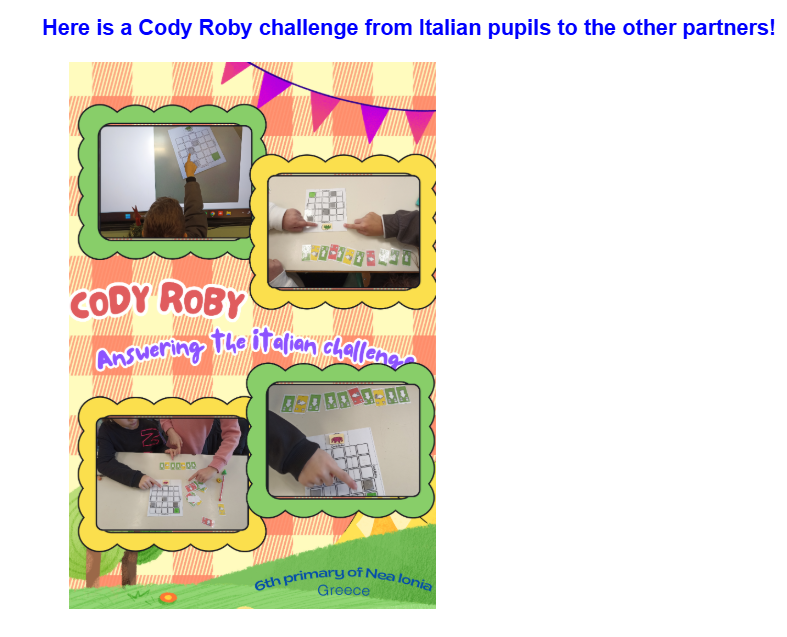
Cody Roby Challenge: actively launched by the Italian students from the Gandhi school to their European partners.
-
Green City and Coding: a sustainability challenge proposed by the Greek team. The Italian children developed and sent the correct sequence of arrows, which was then executed and verified on the field by the Athens team.
-
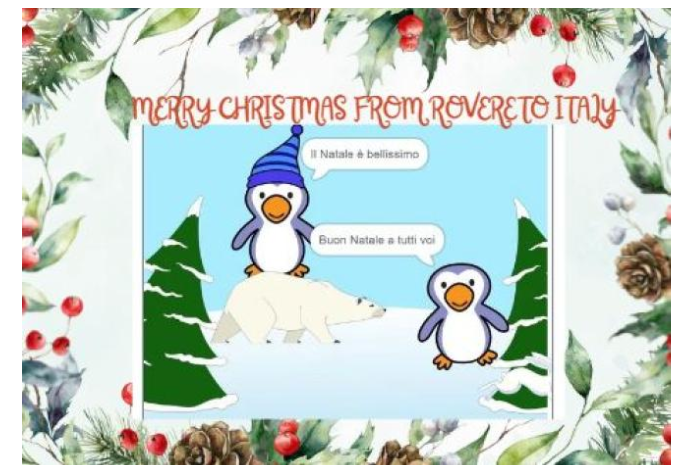
Christmas Greetings: a moment of celebration and technology, with the exchange of animated greeting cards programmed on Scratch.
 Christmas wishes
 -
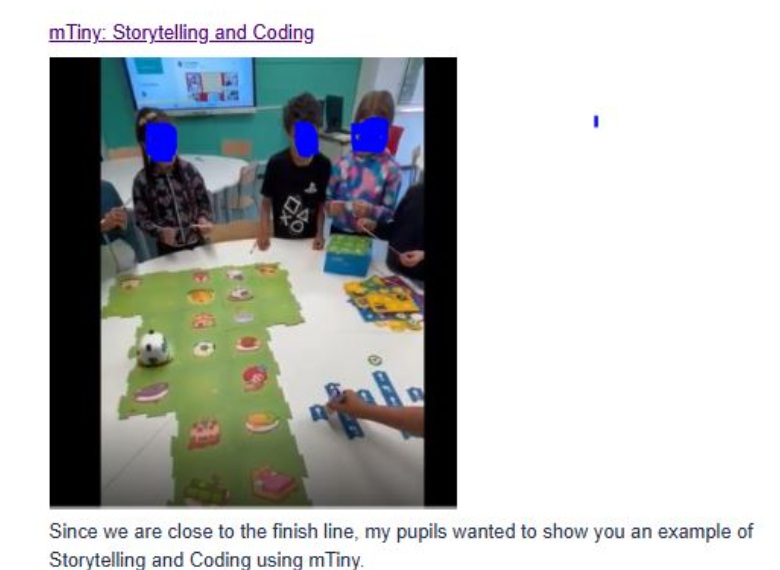
Storytelling with mTiny: using the mTiny robot to combine programming with creative storytelling.
Final Evaluation
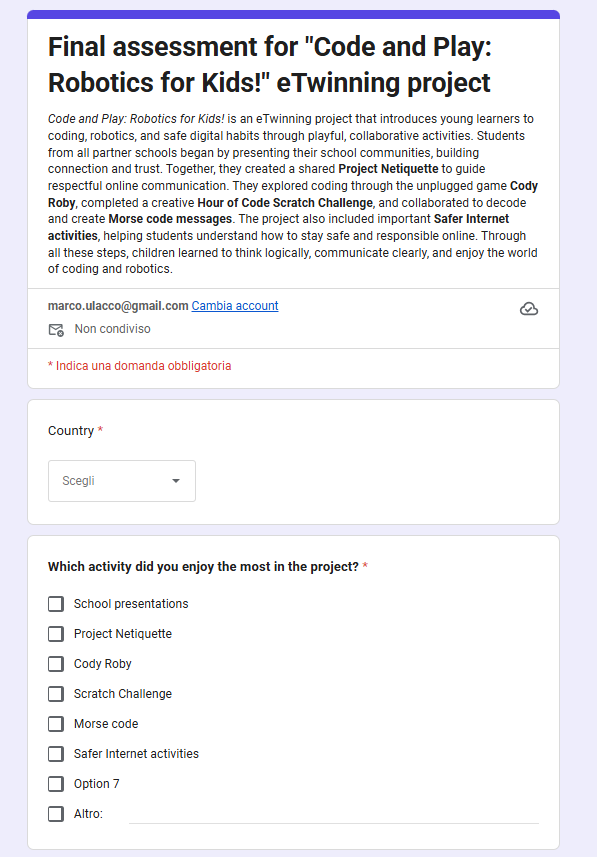
The feedback collected at the end of the journey highlights extremely high satisfaction among the students.
The Scratch Challenge was voted the absolute favorite activity, followed closely by the experiences with Morse code and Cody Roby, confirming that the children equally appreciated both digital and unplugged (manual) coding. The activities on Netiquette were also well-received, although the creative and problem-solving challenges understandably generated a higher level of enthusiasm.
Project dissemination and future outlook
The “Gandhi” Primary School of Rovereto actively promoted the project’s results both inside and outside the school community:
-
Digitally: continuous sharing with families and students via Google Classroom, publication on the school website, and inclusion in the school’s document repositories.
-
In Person: presentation of the project to parents during Class Council meetings.
-
Future Outlook: the project will be publicly showcased next October during the Erasmus Days, celebrating the strong link and interconnection between eTwinning activities and the institute’s Erasmus projects.


0